Acne is a multifactorial skin condition that primarily affects the pilosebaceous follicles. It is a common yet complex dermatological condition.
Acne can be linked to hormonal imbalances as well as genetic and environmental factors. It affects a wide range of the population, mainly adolescents and young adults. However, it can also persist into adulthood, posing a major challenge for dermocosmetics.
Given the complexity of this condition, accurately assessing acne and its effects on the skin requires cutting-edge tools and analysis methods. In this context, technology such as the C-Cube represents a significant advance in the clinical world.
The C-Cube 3 has been specifically designed to observe and quantify the effects of your cosmetic ranges. With its CIE L*a*b* measurements, it allows you to image and measure the degree of effectiveness of your active ingredients on the skin. Thanks to the data contained in each pixel and the placement of ROIs in the image, you can ensure control and precision in your studies.
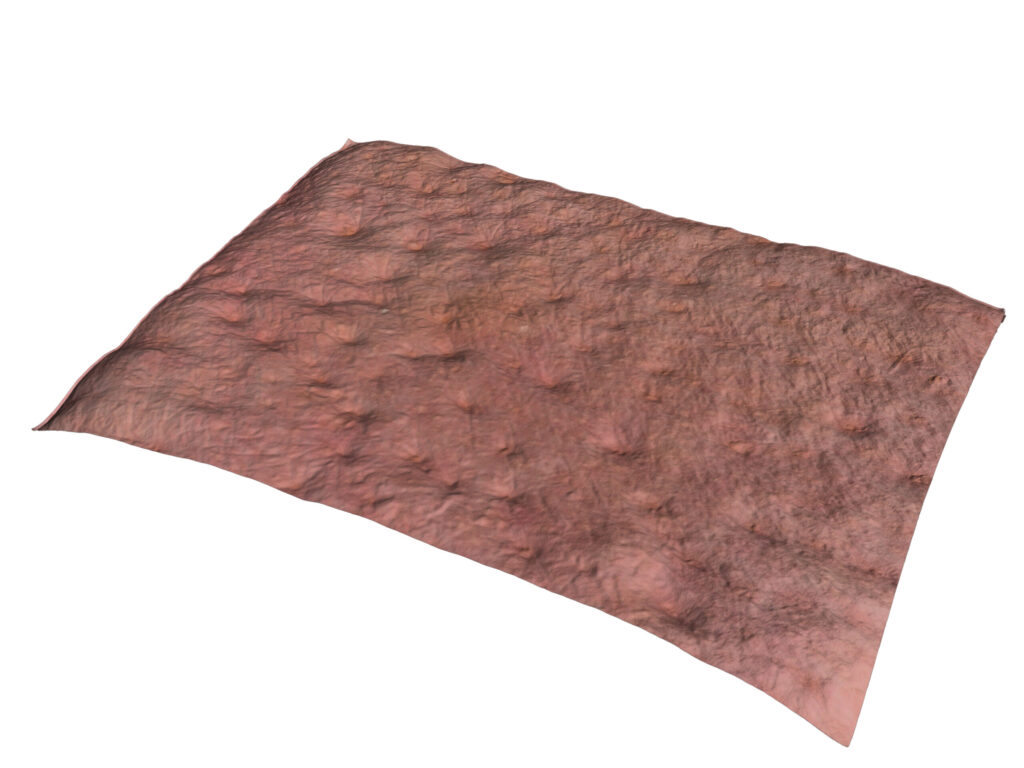
You can also perform 3D acquisitions of the skin surface. Using a technique called stereophotometry, the C-Cube system analyzes multiple images under different lighting conditions. The software estimates surface normals. Combined with geometric calibration, it produces elevation information for each pixel.
By combining rigorous scientific approaches with cutting-edge tools, it becomes possible to better understand the mechanisms of acne, evaluate the effectiveness of products, and thus optimize its management.
The C-Cube is the ideal tool for evaluating all characteristics of acne.
Acne evaluation thank to pimple elevation
Pimples are one of the most common symptoms of acne. They appear as papules, pustules, or nodules on the skin, resulting from blocked pores and inflammation. The elevation of pimples can be reduced by certain products.
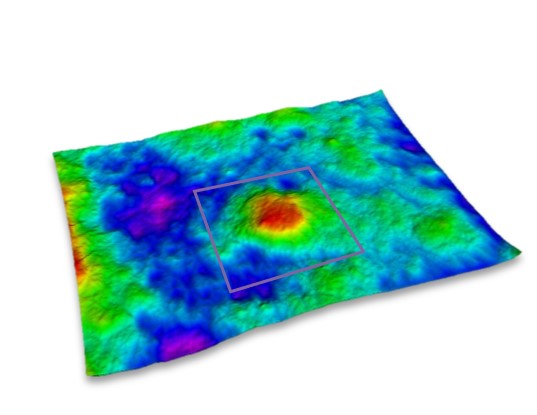
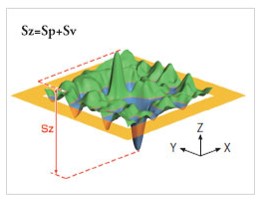
Thanks to its unique ability to measure 3D parameters, it is possible to measure the elevation of pimples using peak height (Sp) and total amplitude (Sz). The effectiveness of the product being tested can be proven if the peak elevation decreases over time.
Pimple elevation
Peak height and amplitude
Roughness evaluation
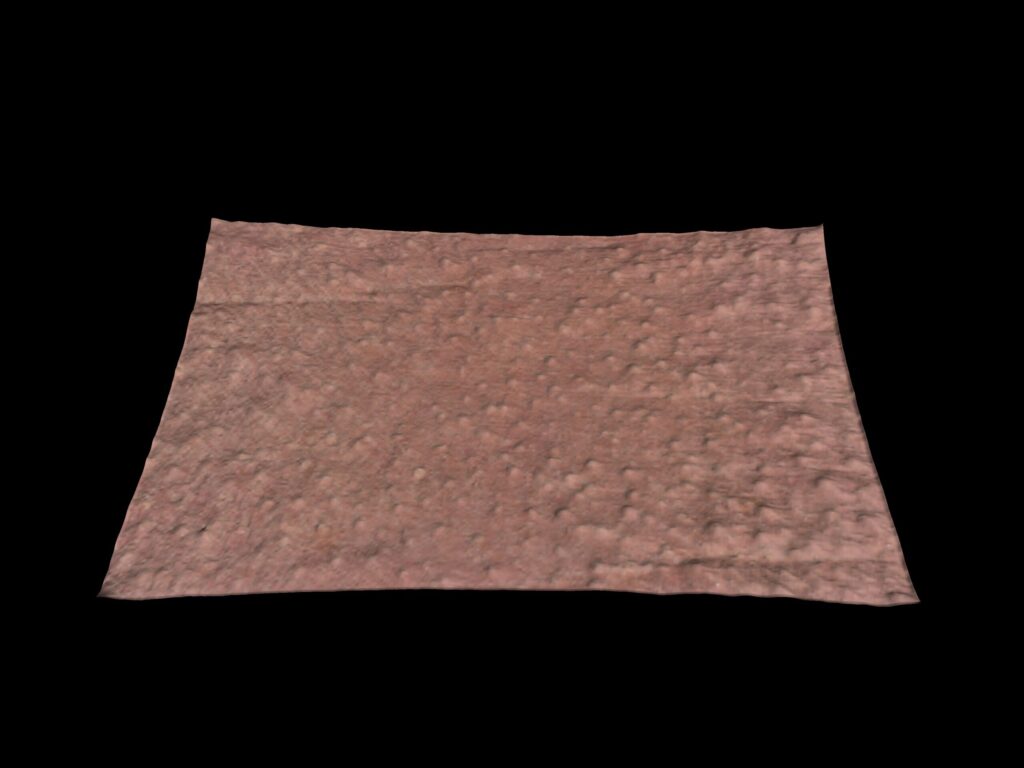
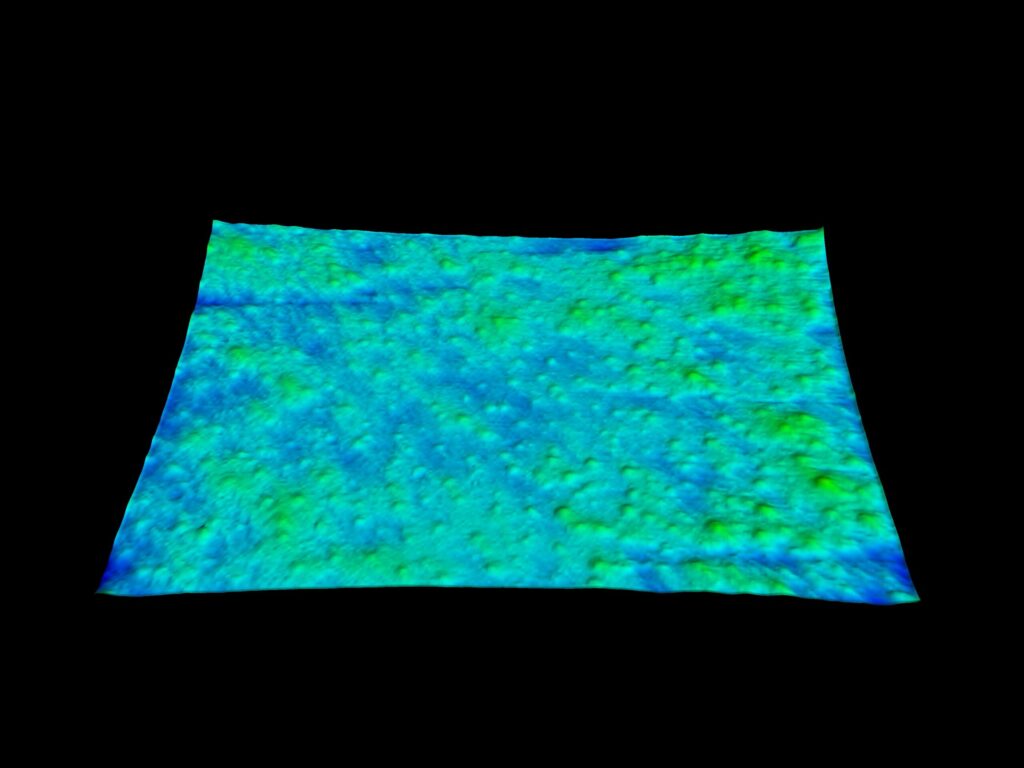
The C-Cube is undeniably the best option for assessing the most subtle changes. Beyond measuring the elevation of pimples, it is capable of observing very small signs of acne before they worsen with inflammation. This is equivalent to measuring skin texture that is invisible to the naked eye.
This can provide information about future cysts that are likely to become inflamed in the coming days.
Texture rendering
Elevation map
Sebum measurement
Acne-prone skin tends to produce higher than normal amounts of sebum. Many products are designed to regulate sebum production.
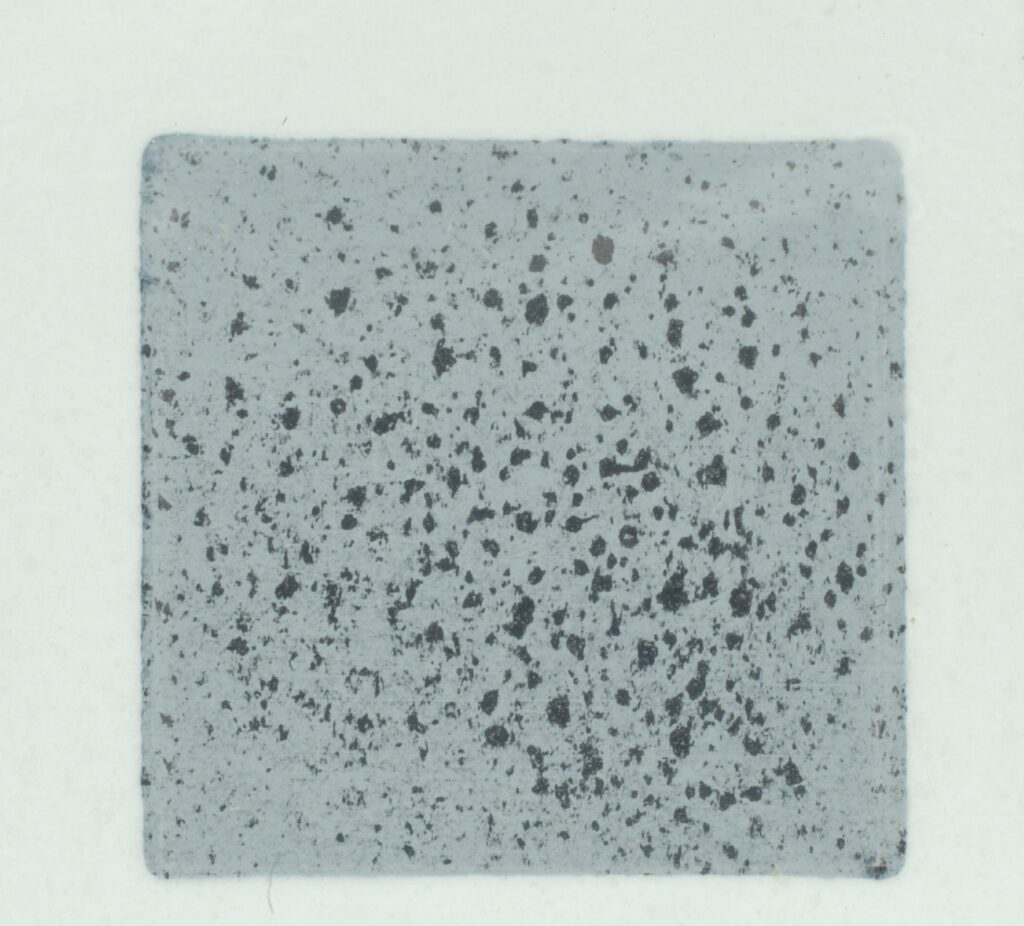
With the C-Cube and its sampling device, you can collect sebum from the skin and analyze it. This allows you to study the sebum-regulating effects of your product ranges.
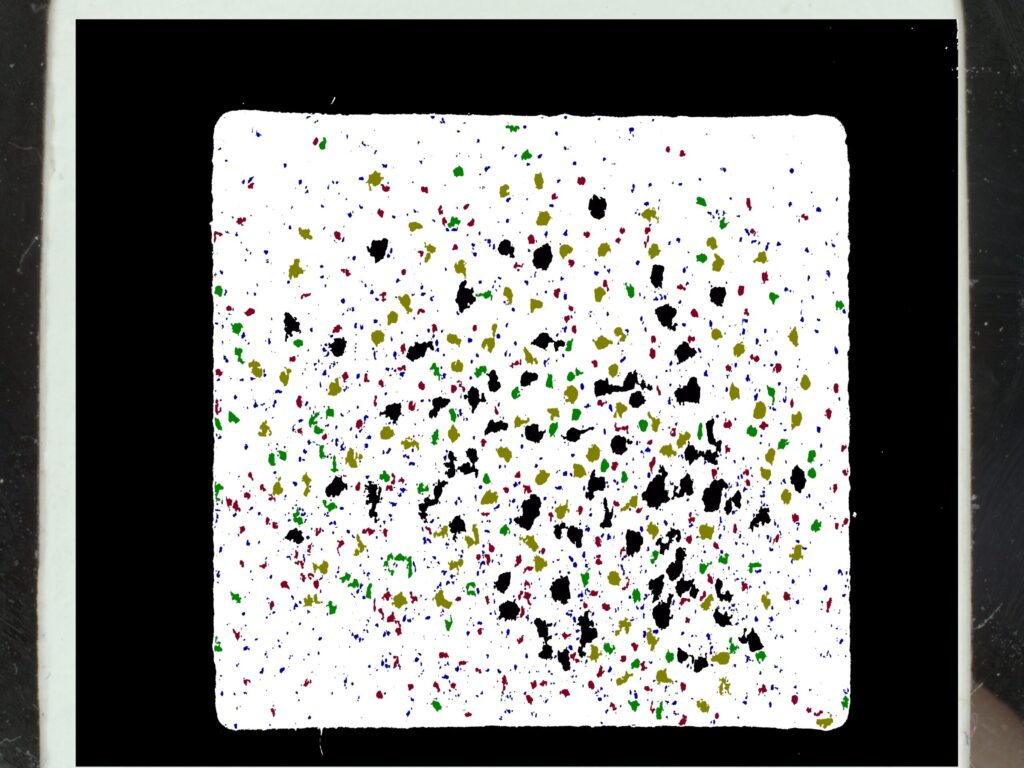
The color of the sampling area is gray and uniform, so that dark sebum spots can be clearly distinguished. Samples taken from these patches are analyzed with the Pixience sample reader and the C-Cube camera in a standardized and systematic manner. Analysis of the intensity levels in the sample area allows a threshold to be determined between the “background” (the gray area of the sample) and the intensity of the “shape” light (the black area, i.e., the sebum).
This makes it easy to distinguish between them and measure the relative surface area of sebum in relation to the total surface area of the spot (expressed as a percentage of the total surface area).
Source image on Sebutape
Rendering on Sebutape
Acne evaluation with blackheads analysis
Blackheads are clusters of sebum produced by the sebaceous glands and keratin deposits that clog pores. With increased sebum production in acne-prone skin, it is therefore common to experience blackheads.
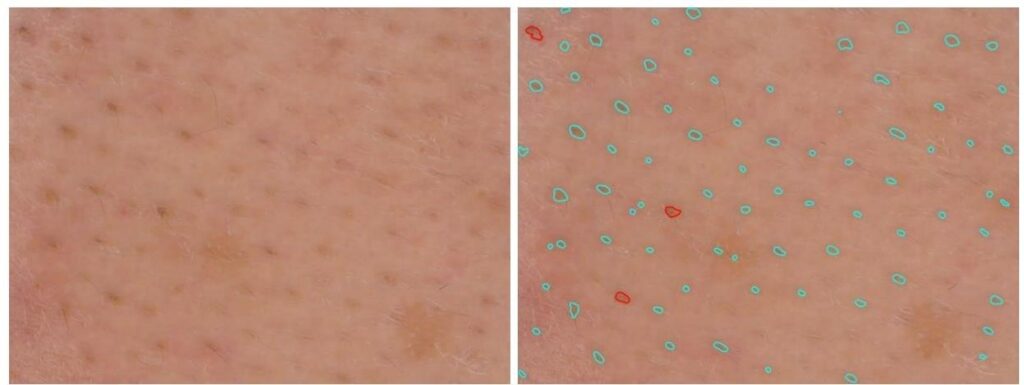
The C-Cube measures the number of blackheads and their average diameter. Its field of view is constant and calibrated, meaning that the surface area of the photo is always the same (1.92 cm²). Density is therefore obtained by dividing the number of pores by the surface area of 1.92 cm².
Blackheads detection
Pores analysis
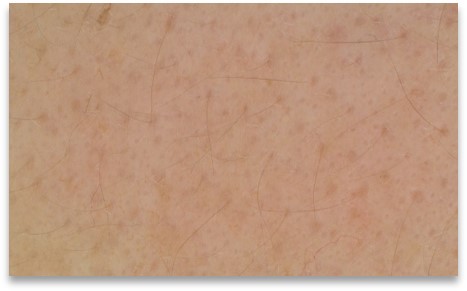
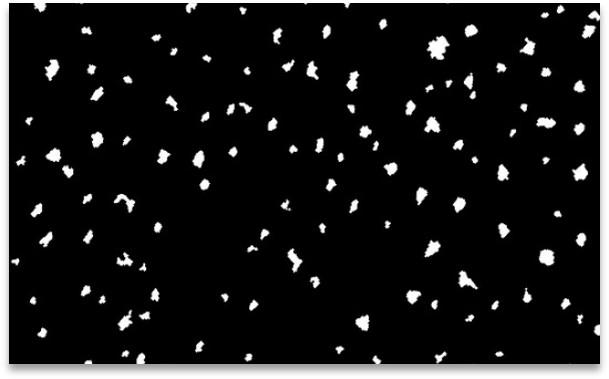
Excessive sebum production can affect pore size, causing them to dilate. Thanks to its reliable dimensional measurements and metric calibration, the C-Cube can detect the number of pores and measure them in 2D and 3D.
In 2D, this involves color analysis, followed by shape identification to eliminate other objects and retain only the pores. The results are processed black and white images. You also get a spreadsheet with the median area, median diameter, and pore density for each image.
Source image
Resulting data
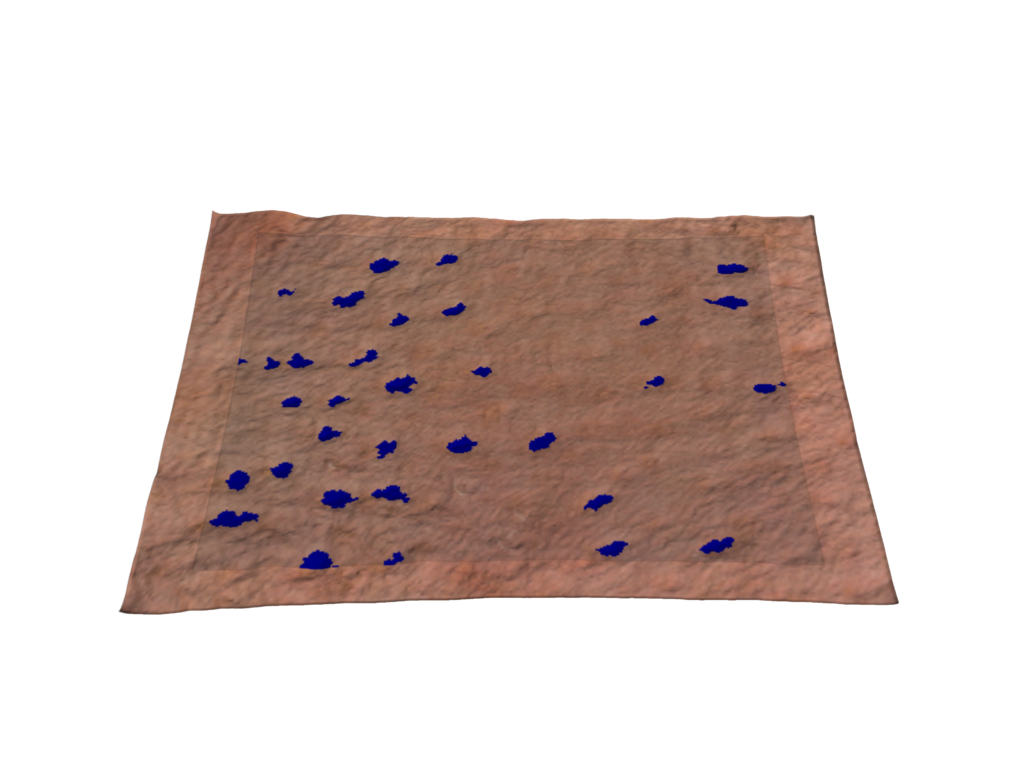
3D analysis provides an additional dimension of pore depth. The 3D approach improves the sensitivity of pore detection. It then allows the depth of the pores and their possible filling to be assessed.
Source image
Rendering
The C-Cube 3 is a perfectly versatile system for evaluating your anti-acne and anti-blemish products.